Performance parity
Battery-grade specifications that matches or exceeds conventional natural graphite across key metrics.
We compete on performance + risk reduction, not on commodity positioning alone.
Battery-grade specifications that matches or exceeds conventional natural graphite across key metrics.
Competitive price from cheaper inputs and lower processing temperatures, not a green premium.
100% North American origin reduces exposure to concentrated overseas processing.
70–90% lower lifecycle carbon versus conventional synthetic graphite.
Canada has been exporting its future, we are changing that. The materials powering electric vehicles depend on carbon-intensive production and concentrated supply chains. At the heart of the clean energy transition, the green revolution is built on a fragile foundation. Atlantic BioGraphite converts New Brunswick's forestry sustainably sourced, certified, and abundant byproducts into battery-grade graphite for lithium-ion anodes. We give OMEs a North American alternative that competes on performance, not just conscience. Built here. From here. For the batteries the world needs next.
Atlantic BioGraphite turns a regional byproduct stream into battery-grade material with lower carbon intensity and stronger supply security for North American customers.
Proven
Technology
Aligned
Policy
Abundant
Feedstock
0
Competition
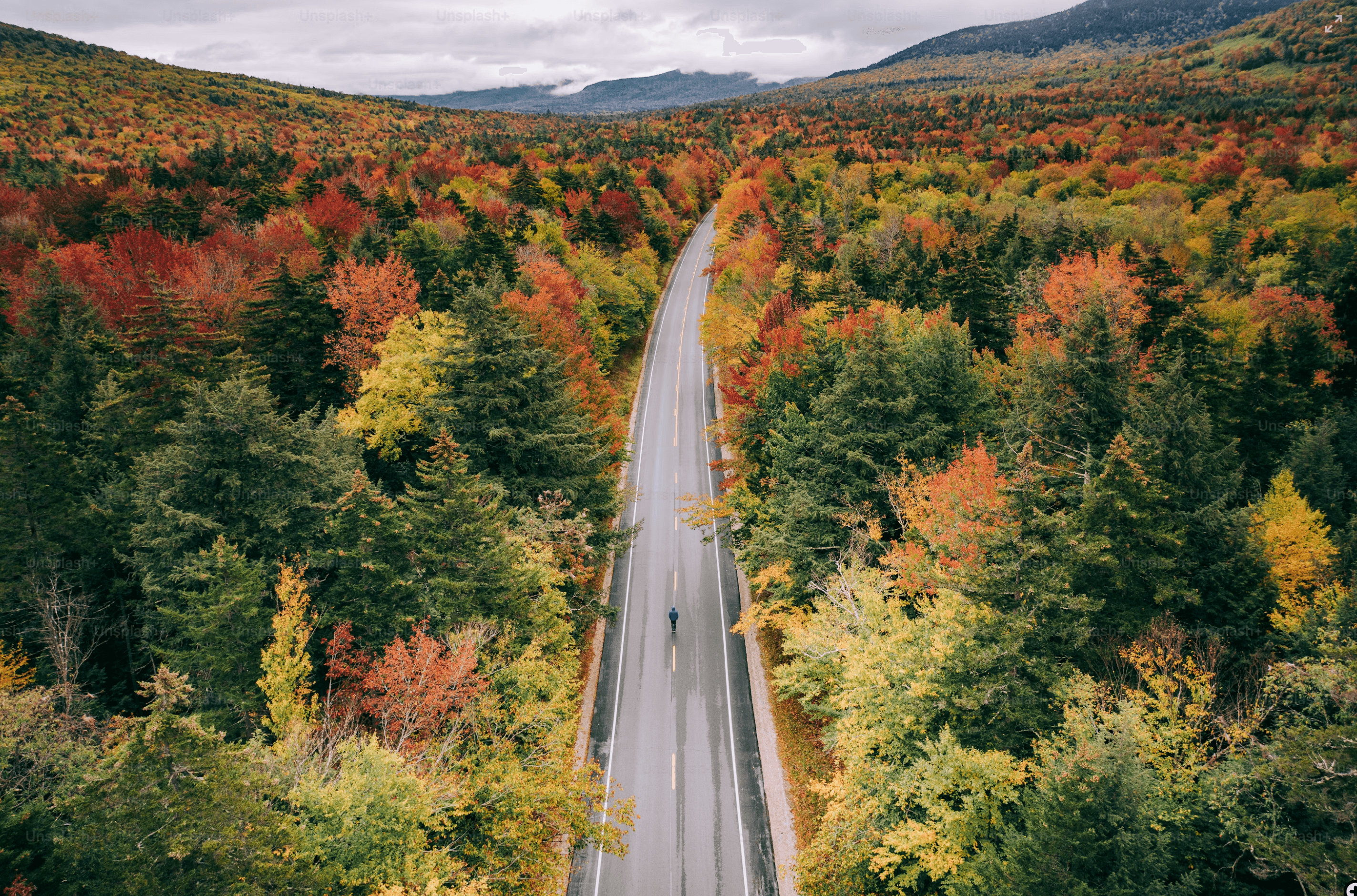
We turn Atlantic Canada's forestry waste into battery-grade graphite.
The material powering the electric vehicle revolution made here, from here.
Atlantic Canada location for a battery materials production company has structural advantages converge here that no other region in Eastern North America can match.
Feedstock
91 Sawmill operations identified across Atlantic Canada. 100% FSC/SFI-aligned sourcing from project inception target.
4
Major deep-water ports with Atlantic shipping access
130+yr
Regional forestry and industrial operations history
300km
Expansion radius across the Atlantic to Maine, USA